1. Introduction
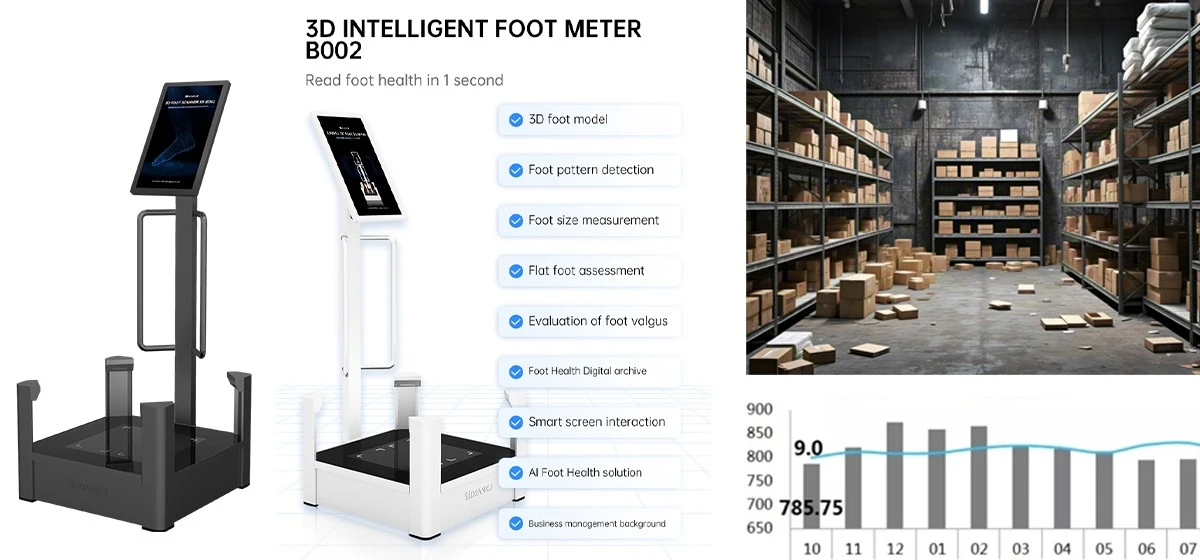
The global footwear industry stands at a pivotal juncture. Despite being a mature market with consistent consumer demand, the sector grapples with systemic operational challenges that undermine profitability, sustainability, and customer satisfaction. From inconsistent sizing standards that plague e-commerce returns to inventory management inefficiencies and product development processes detached from actual consumer biomechanics, these issues collectively represent a significant drag on industry innovation and growth. Within this challenging landscape, advanced technologies like the Xianku3d foot scanner are emerging as transformative tools, enabling footwear brands to transition from intuition-based decision-making to precision-driven operations.
This article examines the persistent challenges facing the footwear retail sector and explores how integrated foot scan technology can establish a foundation for comprehensive digital transformation, addressing core business problems while creating unprecedented value for both brands and consumers.
2. The Footwear Industry's Systemic Challenges
The global footwear market, while substantial in size and economic impact, faces several deeply entrenched problems that have resisted traditional solutions. These challenges span the entire value chain, from product development and inventory management to customer experience and retention.
2.1 The Sizing Inconsistency Crisis
Perhaps the most pervasive issue plaguing the footwear industry is the lack of standardized sizing across brands and product lines. Unlike many other consumer product categories where standardized measurements ensure consistency, footwear sizing remains remarkably inconsistent due to varying last designs, manufacturing processes, and regional preferences. This inconsistency creates substantial business problems:
- Elevated E-commerce Return Rates: With consumers unable to reliably determine correct sizing when purchasing online, return rates for footwear purchased through digital channels typically range between 25-40%, significantly higher than most other consumer product categories. These returns not only erode profitability through reverse logistics costs but also contribute to inventory complications and environmental waste through additional shipping.
- Consumer Frustration and Brand Switching: The inability to find consistent sizing across brands leads to customer frustration and diminished loyalty. Consumers who experience repeated sizing issues often become reluctant to try new brands, limiting market expansion opportunities for emerging companies while forcing established players to invest heavily in overcoming this initial trust barrier.
- Fit-Based Product Abandonment: Even when consumers find styles they aesthetically prefer, uncertainty about fit often causes purchase abandonment both online and in physical stores, where limited inventory in specific sizes prevents customers from finding their optimal fit across available styles.
The fundamental issue stems from the industry's historical reliance on subjective last development processes rather than data-driven approaches based on actual population foot morphology. Without comprehensive foot scan data to inform sizing decisions, brands continue to develop products based on limited anthropometric references that fail to capture the true diversity of foot shapes within their target markets.
2.2 Inventory Management Inefficiencies
The footwear industry's approach to inventory management represents another significant operational challenge, with profound financial implications:
- Size Allocation Inaccuracy: Without precise data on the foot morphology distribution of their target demographics, brands and retailers must make inventory allocation decisions based on historical sales patterns that may not accurately reflect true demand. This often results in overstocking of certain sizes while understocking others, leading to both missed sales opportunities and costly markdowns to clear excess inventory.
- Capital Allocation Problems: The industry's standard practice of manufacturing complete size runs for each style ties up substantial working capital in inventory that may take months or even years to convert back to cash. This manufacturing approach, necessitated by the lack of precise demand forecasting capabilities, limits organizational agility and responsiveness to emerging trends.
- Regional Variation Blindness: Foot morphology demonstrates significant variation across geographic regions, ethnicities, and even socioeconomic groups. Without detailed foot scan data capturing these variations, companies struggle to optimize inventory distribution across different markets, resulting in systemic mismatches between local demand and available supply.
The financial impact of these inventory inefficiencies is substantial, with industry analysts estimating that size-related inventory misallocation costs the global footwear industry billions annually in lost sales, discounting, and carrying costs.
2.3 Product Development Limitations
Traditional footwear development processes remain hampered by several structural limitations that impede innovation and market alignment:
- Subjective Design Decisions: Despite advances in materials science and manufacturing technologies, many footwear companies still rely heavily on intuition and past performance when making critical product development decisions. This approach often results in incremental changes rather than genuine innovation, as designers and developers lack concrete data about evolving consumer needs and unmet opportunities.
- Limited Understanding of Biomechanical Needs: While comfort represents a primary purchase driver for most footwear categories, few companies possess detailed understanding of the biomechanical factors that truly determine comfort for different foot types and usage scenarios. Without comprehensive foot scan data correlated with wearing experiences, product developers must make assumptions about fit and comfort that may not align with diverse consumer realities.
- Delayed Market Feedback Loops: The traditional product development cycle in footwear typically spans 12-24 months, with market feedback only incorporated into subsequent generations after significant lag. This extended cycle prevents rapid iteration and adaptation to evolving consumer preferences, particularly problematic in an era of accelerating trend cycles and increasing demand for personalization.
- These product development limitations have become particularly problematic as consumers increasingly seek footwear that addresses both aesthetic preferences and functional needs related to their specific foot characteristics and usage patterns.
Table 1: Primary Footwear Industry Challenges and Business Impacts
| Challenge Category | Specific Manifestations | Financial & Operational Impact |
|---|---|---|
| Sizing Inconsistency | Variable lasts across brands; no standardized measurements | High return rates (25-40%); increased reverse logistics costs; customer frustration |
| Inventory Management Issues | Poor size allocation; regional demand misunderstanding | Elevated discounting; lost sales; working capital inefficiency |
| Product Development Limitations | Subjective decision-making; limited biomechanical understanding | Missed market opportunities; slower innovation; competitive disadvantage |
| Customer Experience Gaps | Inadequate fitting processes; limited personalization | Reduced conversion; decreased loyalty; lower lifetime value |
3. The Competitive Landscape: Intensifying Pressure on Traditional Models
The footwear retail environment has become increasingly challenging in recent years, with several converging trends amplifying the impact of these systemic problems:
- E-commerce Acceleration: The rapid growth of online footwear shopping has heightened the sizing inconsistency problem, as consumers cannot try on products before purchase. This has created a significant competitive advantage for retailers who can provide accurate fit guidance and reduce consumer uncertainty.
- Direct-to-Consumer Disruption: The emergence of digitally-native vertical brands has intensified pressure on traditional wholesale models, with these new entrants often leveraging technology to create superior customer experiences and gather valuable first-party data.
- Customization Expectations: Consumers increasingly expect products tailored to their specific preferences and characteristics, a trend that has emerged across multiple categories and now influences footwear purchasing decisions.
- Sustainability Imperatives: The environmental impact of excessive returns and inefficient inventory management has drawn increased scrutiny from environmentally-conscious consumers and regulators, creating additional pressure to address these inefficiencies.
Within this challenging environment, traditional approaches to addressing these problems have proven insufficient. Size recommendation algorithms based on past purchase history provide limited accuracy, while conventional fitting methods in physical stores remain highly dependent on individual employee expertise and often fail to capture comprehensive foot morphology data.
4. Xianku3d Foot Scanner: A Technological Foundation for Digital Transformation
The Xianku3d foot scanner represents a paradigm shift in how footwear retailers can address these persistent challenges. By leveraging advanced 3D structured light technology, the system captures comprehensive foot morphology data in seconds, creating a foundation for data-driven decision-making across multiple business functions. The scanning process captures over 100 distinct foot measurements, including length, width, girth, arch height, and volumetric parameters, creating a complete digital representation of each customer's foot characteristics.
4.1 Establishing Data-Driven Product Innovation
The Xianku3d foot scanner enables a fundamentally new approach to footwear product development by providing manufacturers with unprecedented insights into the actual foot morphology of their target markets:
- Data-Informed Last Development: Rather than relying on standardized lasts that may not reflect the true diversity of their customer base, product developers can use aggregated and anonymized foot scan data to create last designs that optimally accommodate the specific foot characteristics of their target demographic. This data-driven approach results in better-fitting products that reduce discomfort and improve wearer satisfaction.
- Precision Sizing Optimization: By analyzing the distribution of foot measurements within specific populations, brands can optimize their sizing systems to ensure proper fit across the entire range of their customer base. This might involve introducing additional width options, adjusting grade rules between sizes, or even developing entirely new sizing approaches that better match actual foot morphology distribution.
- Biomechanically-Informed Design: The detailed measurement data provided by the foot scan system enables designers to identify specific fit challenges and comfort opportunities that may not be apparent through traditional research methods. This might include refining toe box dimensions to accommodate varying forefoot shapes, optimizing heel counter designs to improve stability for different heel types, or adjusting arch support placement and intensity to match the prevalence of different arch heights within the target market.
This data-driven approach to product development represents a significant advancement over traditional methods, enabling brands to create products that genuinely address the fit and comfort needs of their specific customer base rather than relying on generalized assumptions.
4.2 Transforming Inventory Management Through Precision Forecasting
The Xianku3d foot scanner enables a revolutionary approach to inventory planning and allocation by providing detailed insights into the foot morphology distribution of specific customer segments:
- Demand-Based Size Allocation: By understanding the precise distribution of foot measurements within their target markets, retailers can optimize inventory allocation across different locations and channels. This ensures that popular sizes are adequately stocked while reducing investment in sizes with lower demand, improving overall inventory efficiency and reducing the need for markdowns.
- Regional Inventory Optimization: Foot morphology demonstrates significant geographic variation influenced by genetic, environmental, and lifestyle factors. The foot scan system's ability to capture these regional differences enables retailers to tailor their inventory distribution to match the specific characteristics of each market, reducing the inventory mismatches that commonly occur when using standardized allocation models.
- Preproduction Demand Validation: For manufacturers, the aggregated foot scan data can inform production planning decisions before commitments are made, reducing the risk of overproduction in specific sizes while ensuring adequate inventory of sizes that may have been underproduced using traditional planning approaches.
The inventory optimization benefits extend beyond simple size allocation to broader assortment planning, as the data can reveal opportunities for new product categories specifically designed to address common foot morphology characteristics within a brand's customer base.
4.3 Revolutionizing Customer Experience and Engagement
Beyond its applications in product development and inventory management, the Xianku3d foot scanner transforms the fundamental customer experience in footwear retail:
- Personalized Fit Assessment: The scanning process provides customers with detailed insights into their individual foot characteristics, creating an educational experience that helps them understand their specific fit needs. This personalized approach contrasts sharply with traditional fitting methods that often provide limited information beyond basic length measurements.
- Confidence in Purchasing Decisions: By receiving specific product recommendations based on their individual foot scan results, customers can make purchasing decisions with greater confidence, both in physical stores and online. This is particularly valuable in e-commerce contexts, where fit uncertainty represents the primary barrier to conversion.
- Health and Wellness Integration: The detailed analysis provided by the foot scan system enables retailers to position footwear not just as a fashion item but as an important component of foot health and overall wellbeing. This health-focused positioning creates opportunities for value-based pricing and deeper customer relationships beyond transactional interactions.
The experiential benefits of the scanning process itself should not be underestimated, as the technologically advanced nature of the system creates a memorable in-store experience that differentiates retailers who implement it from competitors relying on traditional fitting methods.
Table 2: Xianku3d Foot Scanner Applications Across the Footwear Value Chain
| Business Function | Traditional Approach | Scanner-Enhanced Approach | Key Benefits |
|---|---|---|---|
| Product Development | Subjective last design; limited anthropometric data | Data-driven last optimization; precise measurement insights | Improved fit; reduced returns; competitive differentiation |
| Inventory Management | Historical sales-based allocation; standardized distribution | Foot morphology-informed planning; regional optimization | Reduced markdowns; improved sell-through; lower carrying costs |
| Customer Acquisition | Generic marketing; price promotions | Personalized recommendations; fit confidence messaging | Higher conversion; increased loyalty; value-based pricing |
| In-Store Experience | Manual measurement; limited employee expertise | Digital scanning; comprehensive analysis | Enhanced engagement; educational value; experience differentiation |
| E-commerce | Size charts; limited fit guidance | Personalized recommendations; virtual fitting | Reduced returns; increased conversion; lower acquisition cost |
5. Implementation Framework: Integrating Foot Scanning Technology
Successfully implementing foot scan technology within footwear retail operations requires strategic planning across multiple dimensions:
5.1 Physical Retail Integration
The Xianku3d foot scanner can be deployed across various retail contexts to support different business objectives:
- Flagship Experience Centers: High-traffic flagship locations can implement scanning stations as centerpieces of technological innovation, creating destination experiences that attract customers seeking the most advanced fitting capabilities available.
- Specialized Fit Studios: Dedicated fitting areas within larger stores can provide private scanning experiences staffed by trained fit specialists who can interpret results and provide personalized product recommendations.
- Mobile Scanning Units: Compact, portable scanning devices enable retailers to extend the technology beyond traditional stores to locations like running clubs, corporate wellness programs, or special events, expanding reach while gathering valuable data.
Regardless of the specific implementation approach, successful deployment requires thoughtful integration into existing store layouts and customer journey maps to ensure a seamless experience that enhances rather than disrupts the shopping process.
5.2 Data Integration and Analytics
The full value of foot scan technology emerges only when the data it generates is effectively integrated across business systems:
- CRM Integration: Connecting scan data with customer relationship management systems enables personalized communication and follow-up based on individual foot characteristics and product preferences.
- Inventory Management Systems: Linking scan data with inventory systems supports real-time product recommendations based on actual availability, reducing frustration from recommended products that are out-of-stock.
- Product Development Platforms: Sharing aggregated and anonymized data with product creation teams provides invaluable insights for future development cycles, creating a closed-loop system where customer data directly informs design decisions.
Effective data integration requires careful attention to privacy considerations, with transparent policies regarding data collection, usage, and protection that align with evolving regulatory requirements and consumer expectations.
5.3 Staff Training and Role Evolution
The introduction of foot scan technology transforms the role of retail staff from transaction processors to fit experts and advisors:
- Technical Operation: Frontline employees require training in scanner operation, basic maintenance, and troubleshooting to ensure consistent customer experiences.
- Data Interpretation: Staff must develop the ability to interpret scan results and translate technical measurements into understandable insights and actionable recommendations for customers.
- Product Matching Expertise: Beyond understanding foot morphology, employees need deep knowledge of product characteristics to effectively match individual foot shapes with appropriate products from available inventory.
This evolution in staff roles represents both a challenge and opportunity, as properly trained employees can significantly enhance the customer experience while driving higher conversion rates and average transaction values.
6. Business Impact and Return on Investment
The implementation of 3D foot scanning technology generates measurable business benefits across multiple performance dimensions:
- Return Rate Reduction: Retailers implementing fit technology typically experience significant reductions in return rates, with improvements of 30-50% commonly reported for online purchases and 15-25% for in-store transactions where scanning influenced the original purchase decision.
- Sales Conversion Improvement: The confidence provided by precise fit recommendations typically increases conversion rates by 20-35% in physical stores and 15-25% online through improved size selection tools.
- Average Order Value Enhancement: Customers who undergo scanning processes and receive personalized recommendations typically purchase 15-30% more than those who do not, driven by both higher-priced products and multiple pair purchases.
- Customer Loyalty Improvement: The personalized experience and improved fit results typically increase customer retention rates by 25-40% and elevate lifetime value by a similar margin through repeat purchases and positive word-of-mouth.
These quantitative benefits combine with important qualitative advantages including enhanced brand perception as technologically advanced and customer-focused, improved employee satisfaction through more meaningful customer interactions, and valuable first-party data assets that provide sustainable competitive advantages.
Table 3: Digital Transformation Roadmap Through Foot Scanning Technology
| Transformation Phase | Key Initiatives | Technology Requirements | Expected Outcomes |
|---|---|---|---|
| Foundation Building | Scanner deployment; staff training; data infrastructure | 3D scanning hardware; basic analytics; CRM integration | Data collection; customer experience improvement; return rate reduction |
| Advanced Analytics | Pattern identification; segmentation; predictive modeling | Advanced analytics platforms; machine learning capabilities | Inventory optimization; product development insights; personalized marketing |
| Full Integration | Automated inventory replenishment; dynamic product development | API ecosystem; real-time analytics; design integration | Demand-driven manufacturing; minimal inventory; maximized customer satisfaction |
| Industry Leadership | Data as service; ecosystem development; standard influence | Platform capabilities; partnership frameworks | New revenue streams; industry influence; sustainable competitive advantage |
7. Future Outlook: The Evolution of Footwear Retail
The integration of 3D foot scanning technology represents the beginning of a broader transformation in how footwear products are developed, sold, and experienced. Several emerging trends suggest an accelerating pace of change:
- Hyper-Personalization: As scanning technology becomes more widespread and data sets more comprehensive, the industry will move beyond standardized sizing toward truly personalized products optimized for individual foot characteristics and usage patterns.
- Predictive Fit Modeling: Advanced analytics will eventually enable accurate fit predictions without physical trial, particularly valuable in e-commerce contexts where traditional fitting methods are impossible.
- Integrated Foot Health Ecosystem: Footwear will increasingly be positioned within broader foot health and wellness ecosystems, with scanning technology serving as the gateway to comprehensive solutions including custom orthotics, exercise recommendations, and preventive care guidance.
- Sustainable Business Models: By dramatically reducing returns and inventory waste, fit technology will support the industry's growing sustainability objectives while simultaneously improving economic performance.
The Xianku3d foot scanner positions forward-thinking retailers and brands to lead this transformation, establishing the technological foundation and data assets necessary to compete effectively in an increasingly challenging marketplace.
8. Conclusion
The global footwear industry faces significant and persistent challenges related to sizing inconsistency, inventory management inefficiency, and product development limitations. These problems have resisted traditional solutions despite their substantial financial and operational impacts. The Xianku 3D foot scanner offers a comprehensive approach to addressing these challenges through precise measurement, data-driven insights, and enhanced customer experiences.
By establishing a foundation of comprehensive foot morphology data, this technology enables retailers and brands to transform decision-making processes across product development, inventory management, and customer engagement. The result is not merely incremental improvement but fundamental operational transformation that simultaneously reduces costs, enhances revenue, and improves customer satisfaction. As the industry continues to evolve, those organizations that embrace this data-driven approach will be positioned to lead the market, while those that cling to traditional methods will face increasingly strong headwinds.
The future of footwear retail belongs to those who understand that truly serving customers begins with understanding their unique characteristics-and now the tools to develop that understanding are finally available.
(86)-181-2464-3821
alexliu@xianku.com